Inside Afghanistan: How Journalists Plan Safer, Smarter Field Operations
Reporting from Afghanistan is unlike working in almost any other country. For international journalists and media teams, the environment requires planning that blends logistical discipline, cultural understanding, and security awareness. Every assignment involves movement through diverse terrain, engagement with communities shaped by decades of conflict, and reliance on local expertise to navigate both physical and social landscapes.
What defines a successful mission is not speed alone, but preparation. Reliable transport, clear communication channels, professional fixers, and real-time coordination are essential. In this context, Trips to Afghanistan become operational frameworks rather than conventional journeys, designed to support reporting accuracy, safety, and efficiency.
Afghanistan’s reporting environment is dynamic. Routes can change, conditions shift rapidly, and access to locations often depends on relationships built on trust. Journalists require logistical systems that adapt in real time while allowing them to focus on gathering information, conducting interviews, and documenting events responsibly.
Why Reporting in Afghanistan Demands Specialized Travel Planning
Afghanistan’s infrastructure, security conditions, and geography require a level of planning far beyond what is expected in most international assignments. Road networks vary widely in quality, weather can disrupt schedules without warning, and security considerations must be assessed daily.
A standard travel itinerary does not account for these complexities. Journalists must rely on carefully structured movement plans that include contingency routes, real-time communication links, and locally informed decision-making.
Providers such as Afghan Logistics & Tours Pvt. Ltd have developed their services around these realities. Their operational model is not focused solely on tourism but on mobility, safety, and logistics management. With decades of experience working across Afghanistan’s regions, they understand how small details—such as vehicle choice, departure timing, and route familiarity—can determine whether an assignment proceeds smoothly or encounters delays.
This level of specialization allows journalists to maintain control over their schedules and minimize unnecessary risks. When logistics are predictable, reporting becomes more precise and more productive.

The Central Role of Transport in Field Reporting
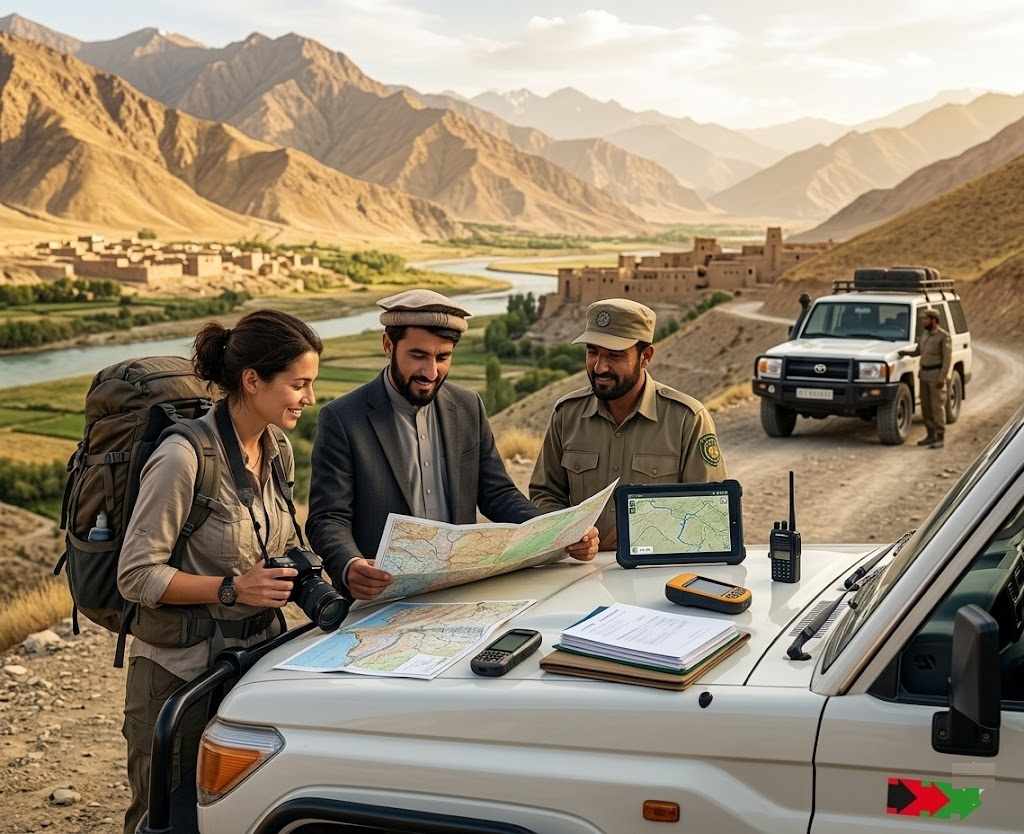
Transportation is the backbone of any reporting operation in Afghanistan. Movement determines access, timing, and safety. Urban reporting may rely on soft-skin vehicles, while travel through more sensitive areas often requires armored transport. Both must be maintained to high standards and equipped with reliable communication systems.
What distinguishes professional logistics support is fleet ownership and maintenance control. Organizations that service their own vehicles can ensure consistency in safety, performance, and readiness. Long-range communication equipment connects drivers to central operations, enabling rapid response if conditions change.
For journalists, this infrastructure creates confidence. Knowing that a vehicle is mechanically reliable and that communication channels remain open even in remote areas allows teams to focus on their work rather than contingency logistics.
Mobility also shapes flexibility. Reporters often need to adjust schedules based on breaking news or changing access permissions. A responsive transport system ensures that such changes can be accommodated without compromising safety.
Fixers and Translators: The Hidden Pillars of Accurate Journalism
Professional fixers and translators are indispensable in Afghanistan. They do far more than interpret language; they provide cultural insight, contextual awareness, and operational guidance.
Fixers understand how communities function, how local authorities prefer to be approached, and how sensitive subjects should be handled. Their judgment often prevents misunderstandings that could escalate into security concerns or undermine trust.
Translators preserve nuance. In journalism, accuracy depends not only on words but on tone, intention, and context. A skilled translator ensures that an interviewee’s message is conveyed faithfully, protecting the integrity of the report.
During Trips to Afghanistan, journalists frequently discover that the quality of their local support directly affects the depth and credibility of their coverage. Effective fixers expand access. Skilled translators preserve meaning. Together, they form the bridge between international reporting standards and local realities.

Security Planning as a Continuous Process
Security in Afghanistan is not a static checklist; it is a continuous process of assessment and adaptation. Every movement plan requires evaluation of current conditions, route safety, and potential disruptions.
Professional logistics operations maintain active links with local information networks, security monitoring organizations, and community contacts. These connections allow them to respond to developments quickly and adjust plans before risks escalate.
Security planning also includes discretion. The most effective systems operate quietly, without unnecessary visibility. Their purpose is to create a stable environment in which journalists can work without distraction.
When security frameworks function properly, reporters experience fewer disruptions, maintain greater control over their schedules, and remain focused on storytelling rather than survival logistics.
Ethics and Responsibility in Field Operations
Journalism carries ethical responsibilities that extend beyond reporting. How media teams move, interact, and operate within Afghanistan shapes their impact on communities.
Responsible logistics providers emphasize cultural respect, fair labor practices, and environmental awareness. Before any assignment, journalists benefit from briefings on local customs, social expectations, and appropriate conduct. These measures protect both the team and the communities they engage with.
Afghan Logistics & Tours Pvt. Ltd has long emphasized ethical partnerships and community respect in its operational philosophy. Their approach reflects an understanding that sustainable operations depend on trust and professionalism, not just technical efficiency.
For journalists, working within such a framework strengthens credibility and ensures that their presence contributes positively rather than disruptively.
From Tourism to Operational Support: A Broader Role
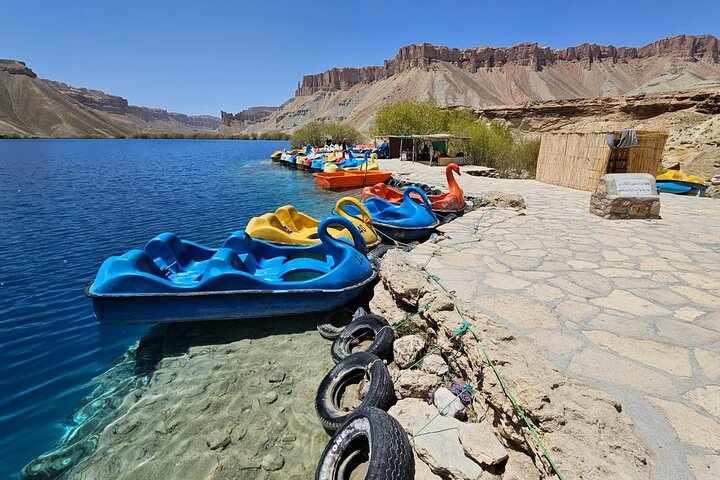
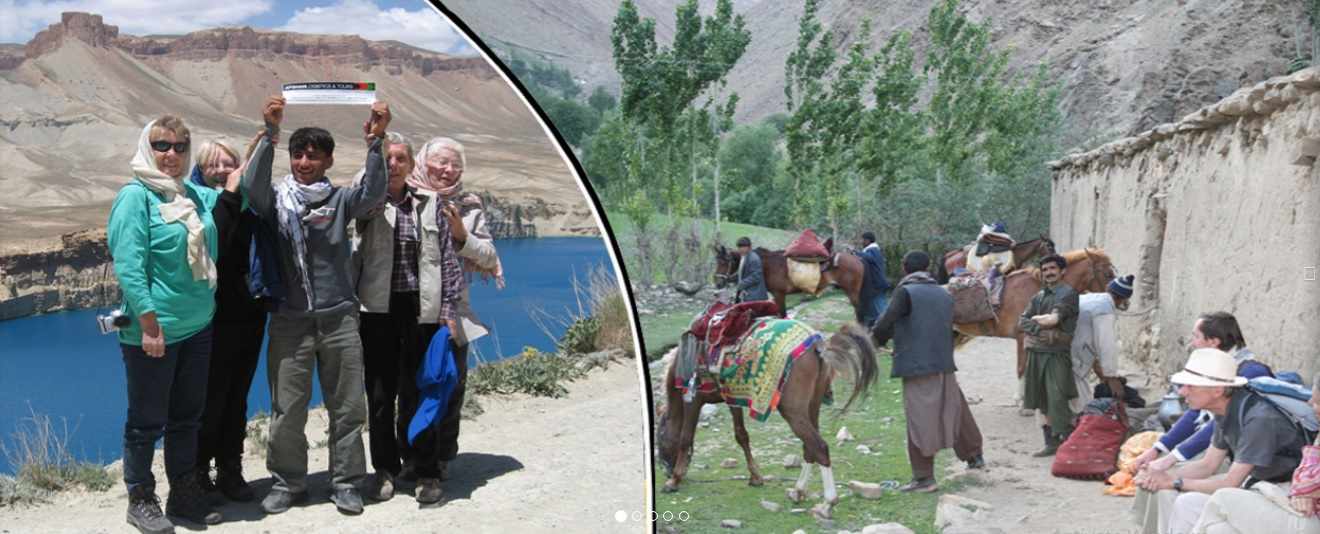
While Afghanistan offers historical sites, dramatic landscapes, and cultural depth, international media teams approach the country with professional objectives rather than leisure. However, the logistical systems developed for tourism often form the foundation for more complex operations.
Services such as airport pick-up, 24/7 transport availability, soft-skin and armored vehicle rental, and accommodation coordination create a platform that can be adapted for journalism. When these services are supported by experienced personnel and reliable communication networks, they evolve into full operational support systems.
This is why Trips to Afghanistan for journalists are structured around adaptability. A reporting schedule may include long hours, sudden route changes, or urgent departures. Logistics providers must be prepared to respond immediately while maintaining safety standards.

Infrastructure Ownership and Reliability
One of the most critical aspects of operational reliability is control over infrastructure. Organizations that own their vehicles, service their equipment internally, and maintain dedicated communication systems can respond faster and more effectively than those dependent on external suppliers.
This model reduces downtime, improves accountability, and ensures consistent safety standards. It also allows operations teams to track movements accurately and maintain continuous contact with drivers and field teams.
For journalists, this means fewer mechanical delays, clearer communication, and greater confidence in mobility planning.
Flexibility as a Core Requirement
Field reporting rarely follows a fixed schedule. Interviews may take longer than expected, access permissions may change, or emerging developments may require immediate relocation.
Flexible logistics planning allows journalists to respond to news rather than be constrained by transportation limitations. Custom itineraries, adjustable routes, and open scheduling windows create the operational freedom that effective reporting demands.
This flexibility distinguishes professional logistical coordination from standard travel services.
Understanding Geography and Terrain
Afghanistan’s terrain ranges from high mountain passes to arid plains and dense urban centers. Each environment presents different logistical challenges.
Mountain regions require vehicles capable of handling steep gradients and unpredictable weather. Desert areas demand endurance and careful fuel planning. Urban centers require local traffic knowledge and efficient routing.
Teams that understand these variables can minimize delays and improve safety outcomes. Their geographic familiarity transforms movement from a risk factor into a controlled operational element.
Supporting Journalists Beyond Transportation
Effective logistical support extends beyond movement. It includes accommodation coordination, secure storage of equipment, and assistance with local permissions or administrative procedures.
Hotels, guest houses, and lodging services must meet basic security and communication standards. Reliable accommodation becomes an extension of the operational base.
When these elements function together, journalists experience a stable environment in which to work, rest, and prepare.
Professionalism as the Defining Standard
What separates effective logistics providers from ordinary travel facilitators is professionalism. This includes punctuality, transparency, ethical conduct, and accountability.
Journalists rely on partners who respect deadlines, understand confidentiality, and recognize the sensitivity of media work. Professional conduct protects both the reporting process and the reputation of the organizations involved.
The Strategic Value of Local Expertise
Local knowledge cannot be replicated through external planning alone. Understanding community dynamics, political sensitivities, and regional customs requires lived experience.
By integrating local expertise into operational planning, journalists gain access to more accurate information and reduce the likelihood of misunderstandings. This strategic value is one of the most important contributions of professional fixers and operational coordinators.
A Long-Term View of Reporting Support
Sustainable journalism in Afghanistan depends on long-term relationships built on trust. Logistics providers who maintain consistent ethical standards and operational reliability become strategic partners rather than service vendors.
This continuity benefits journalists by providing predictable support structures across multiple assignments.
Balancing Caution and Access
Effective reporting requires balance. Excessive caution can limit access, while insufficient caution increases risk. Professional logistics planning seeks the middle ground, allowing journalists to reach important locations while maintaining responsible safety margins.
This balance is at the heart of well-organized Trips to Afghanistan, where access and protection are treated as complementary rather than opposing priorities.
Technology as a Support System
Communication technology underpins all modern operations. Long-range radios, satellite phones, and GPS systems allow coordination even in remote areas.
These tools ensure that journalists are never isolated from support networks, reinforcing safety and operational clarity.
A Framework for Responsible Engagement
At its best, logistical planning enables journalists to engage with Afghanistan responsibly, accurately, and respectfully. It transforms movement into a structured process that supports storytelling rather than complicating it.
By combining transport reliability, local expertise, ethical awareness, and security coordination, professional logistics create an environment in which journalism can fulfill its role of informing the world with integrity.
Conclusion: Reporting Enabled by Precision
For international journalists, Afghanistan represents both challenge and opportunity. It is a country where stories of resilience, transformation, and complexity demand careful, informed reporting.
When logistics are handled professionally, reporting becomes safer, clearer, and more impactful. The integration of transport planning, security coordination, fixer expertise, and ethical standards transforms Trips to Afghanistan into platforms for responsible journalism.
Organizations such as Afghan Logistics & Tours Pvt. Ltd illustrate how operational experience, infrastructure ownership, and ethical commitment can support the media in achieving accurate, meaningful coverage.
Ultimately, the success of reporting in Afghanistan depends not only on journalistic skill but on the unseen systems that make fieldwork possible.

Write a comment ...