
Afghanistan, often referred to as the "Heart of Asia," is a land of breathtaking landscapes, ancient history, and vibrant culture. Despite its tumultuous past, the country holds immense potential as a tourism destination. From the majestic peaks of the Hindu Kush to the cultural richness of cities like Kabul, Herat, and Bamiyan, Afghanistan has much to offer travelers.
The revival of Afghanistan's tourism sector could play a pivotal role in rebuilding its economy, fostering cultural exchange, and restoring its global image. However, this path is fraught with challenges. This blog explores the hurdles and opportunities for reviving tourism in Afghanistan and highlights the efforts being made to overcome these obstacles.
The Current State of Tourism in Afghanistan
Afghanistan’s tourism sector has been heavily affected by decades of conflict and instability. In the 1970s, the country was a popular destination for adventurous travelers, often included on the famous "Hippie Trail." However, years of war, political unrest, and security concerns have deterred international tourists, leaving the sector largely dormant.
Recent efforts to stabilize the country have rekindled hopes for a revival in tourism. While challenges remain, there is a growing recognition of the potential benefits of a thriving tourism industry, including job creation, cultural preservation, and increased international engagement.
Key Challenges to Reviving Tourism in Afghanistan
Security Concerns
Safety is the most significant obstacle to attracting international tourists. Persistent conflict in certain regions, coupled with a lack of infrastructure to ensure traveler safety, makes it challenging for tourists to explore the country.Lack of Infrastructure
Many parts of Afghanistan lack basic tourism infrastructure, such as well-maintained roads, hotels, and transportation networks. This makes travel within the country difficult and limits access to remote, yet stunning, destinations.Perception Issues
Afghanistan's global image as a conflict-ridden country deters potential visitors. Overcoming these perceptions requires consistent efforts to highlight the country’s positive aspects, such as its cultural heritage and natural beauty.Cultural Sensitivity
Afghanistan’s conservative cultural norms can pose challenges for travelers unfamiliar with local customs. Ensuring mutual respect between tourists and local communities is essential for sustainable tourism.Economic Barriers
Limited government funding and a struggling economy make it difficult to invest in tourism development. International aid and private sector involvement are critical to overcoming this hurdle.
Opportunities for Reviving Tourism in Afghanistan
Despite these challenges, Afghanistan’s tourism potential is immense. Several opportunities can be leveraged to rejuvenate the sector:
Cultural and Historical Tourism
Afghanistan is home to a wealth of historical and cultural landmarks, many of which date back thousands of years. Key attractions include:The Buddhas of Bamiyan: Although destroyed, the site remains a UNESCO World Heritage Site and symbolizes Afghanistan’s rich Buddhist heritage.
Herat: Known for its stunning Islamic architecture, including the Herat Citadel and Friday Mosque.
Balkh: An ancient city that was once a center of Zoroastrianism and Buddhism.
The Minaret of Jam: A stunning 12th-century minaret located in a remote valley, also a UNESCO World Heritage Site.
Adventure and Ecotourism
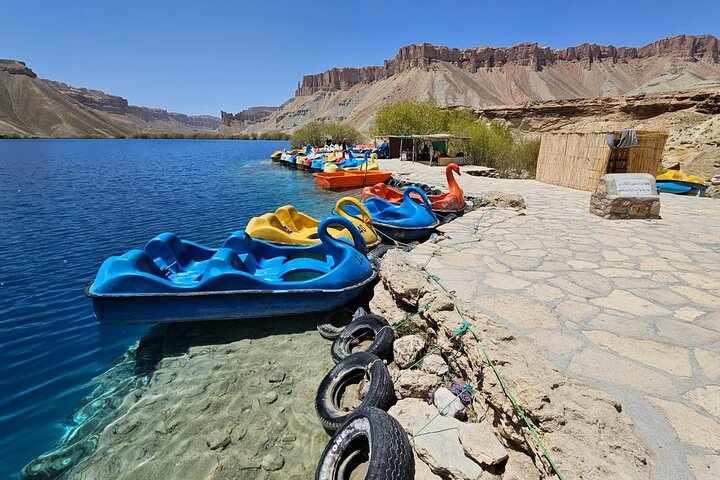
Afghanistan’s rugged terrain and natural beauty make it an ideal destination for adventure enthusiasts. Activities such as trekking in the Hindu Kush, exploring the Wakhan Corridor, and visiting the Band-e Amir lakes offer unique experiences for tourists.Community-Based Tourism
Promoting community-based tourism can empower local populations, preserve cultural heritage, and provide authentic experiences for travelers. Initiatives that involve local communities in tourism efforts ensure that the benefits are distributed equitably.Pilgrimage Tourism
Afghanistan has several sites of religious significance, including Islamic shrines and ancient Buddhist relics. Developing these sites for pilgrimage tourism can attract both domestic and international visitors.Creative Use of Digital Platforms
Social media and digital marketing can play a critical role in reshaping Afghanistan’s image. Sharing stories, photos, and videos of its beauty and cultural richness can inspire curiosity and interest among potential tourists.
Efforts to Promote Safe Travel in Afghanistan
Various stakeholders, including the government, private sector, and international organizations, are working to address the challenges and revive tourism in Afghanistan.
Developing Security Protocols
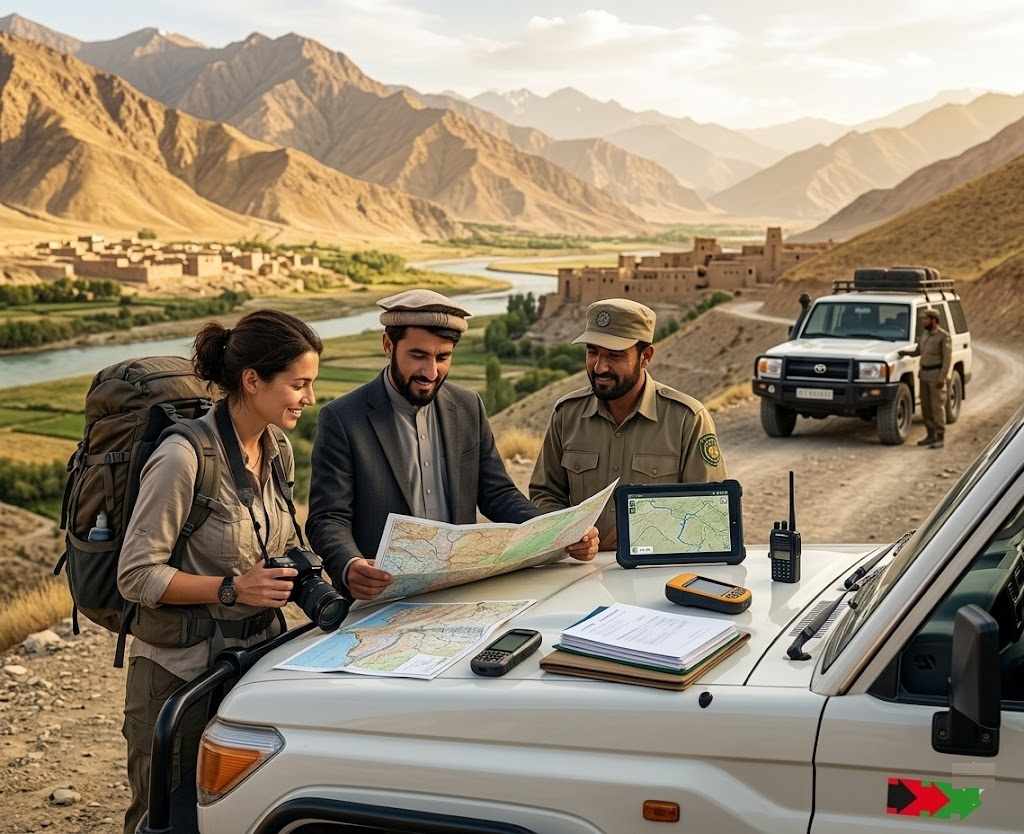
Efforts are underway to improve security in tourist-friendly regions. Partnerships with private security firms and local authorities aim to provide safe corridors for travel.Infrastructure Development
International aid and investments are being directed toward building roads, airports, and accommodations. For example, initiatives to improve access to Bamiyan and the Wakhan Corridor are gaining traction.Training Local Communities
Training programs are being implemented to prepare local communities for tourism-related roles, such as tour guides, hospitality staff, and craft sellers.Collaborating with Tour Operators
Reputable tour operators like Afghan Logistics & Tours Pvt. Ltd. are pivotal in promoting safe and well-organized travel experiences in Afghanistan. They help navigate the country’s complexities and ensure that tourists can explore its beauty without unnecessary risks.UNESCO and Heritage Preservation
Organizations like UNESCO are actively involved in preserving Afghanistan’s cultural heritage, ensuring that sites like Bamiyan and the Minaret of Jam remain accessible and protected for future generations.
The Role of Tourism in Rebuilding Afghanistan’s Economy
Tourism has the potential to significantly impact Afghanistan’s economy:
Job Creation
Reviving tourism can generate employment opportunities in hospitality, transportation, handicrafts, and related industries. This can be especially beneficial for rural communities near tourist sites.Revenue Generation
A thriving tourism sector can bring much-needed foreign exchange into Afghanistan, helping to stabilize the economy and fund development projects.Cultural Preservation
Increased tourism encourages the preservation of cultural sites and traditions, ensuring they are passed down to future generations.Global Engagement
Tourism fosters connections between Afghanistan and the global community, breaking down stereotypes and building understanding.
Success Stories from Other Conflict Zones
Afghanistan can draw inspiration from other countries that have successfully revived tourism after conflict:
Rwanda: Known for its tragic history, Rwanda has transformed itself into a leading destination for ecotourism, focusing on mountain gorillas and national parks.
Cambodia: Despite its dark past, Cambodia attracts millions of visitors each year to sites like Angkor Wat, showcasing its cultural heritage.
Colombia: Once plagued by violence, Colombia is now a thriving destination for culture and adventure tourism.
These examples demonstrate that with the right strategies and investments, Afghanistan can also reposition itself as a compelling destination.
Reviving tourism in Afghanistan presents both challenges and opportunities. While security concerns, infrastructure gaps, and perception issues remain significant barriers, the country’s rich history, natural beauty, and cultural diversity offer immense potential for growth.
By addressing these challenges through collaborative efforts between the government, private sector, and international community, Afghanistan can rebuild its tourism sector. This revival would not only contribute to economic development but also foster cultural preservation and global engagement.
For travelers seeking authentic experiences and a connection to the ancient world, Afghanistan offers a journey unlike any other. With trusted tour operators like Afghan Logistics & Tours Pvt. Ltd., exploring the wonders of Afghanistan can become a safe and enriching reality.
Afghan Logistics & Tours
Address – House # 18, Street # 01, Ansari Square, Shar e Naw, Kabul , Afghanistan
Phone Number – +93798 44 33 11 & +93 700 44 33 11 .

Write a comment ...