
Afghanistan is often discussed through the lens of geopolitics and history, yet it remains one of the most culturally rich and geographically diverse regions in Asia. For professionals, researchers, and high-intent travelers, understanding how Tours of Afghanistan function today requires a shift in perspective—from conventional tourism to structured, logistics-driven engagement shaped by security, coordination, and local expertise.
Unlike mainstream destinations, Afghanistan operates within a framework where planning, adaptability, and on-ground intelligence are essential. Travel here is not spontaneous; it is deliberate, informed, and executed with precision. This distinction is what defines the difference between risk and readiness.
Understanding Travel in a Complex Environment
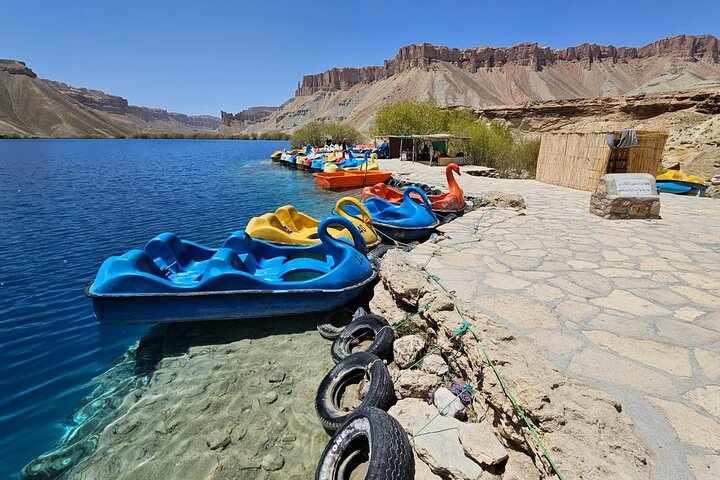
Afghanistan’s landscape is as layered as its history. From the ancient Buddhas of Bamyan to the striking blue lakes of Band-e-Amir, the country offers experiences that are both visually and culturally profound. However, accessing these locations requires more than a simple itinerary.
Travel in Afghanistan is shaped by:
Evolving ground conditions
Regional accessibility
Security dynamics
Infrastructure variability
Because of this, structured travel models have emerged as the most effective approach. These models combine transportation, local coordination, risk assessment, and cultural mediation into a single operational framework.
This is where organizations like Afghan Logistics & Tours Pvt. Ltd play a defining role—not as traditional tour providers, but as integrated facilitators of movement, access, and safety.

Why Conventional Tourism Models Don’t Apply
In most countries, tourism revolves around leisure and convenience. In Afghanistan, the priorities are fundamentally different:
Safety and situational awareness
Reliable transport and route planning
Real-time communication and adaptability
Cultural sensitivity and compliance
For journalists, NGOs, diplomatic teams, and researchers, these factors are non-negotiable. Even for independent travelers with strong intent, the absence of structured support can significantly limit access and increase uncertainty.
This is why Afghanistan tours are typically designed as controlled, flexible operations rather than fixed travel packages.
The Role of Logistics in Travel
One of the most overlooked aspects of travel in Afghanistan is logistics. Movement between regions is not simply about distance—it involves coordination across terrain, permissions, timing, and security considerations.
Key logistical components include:
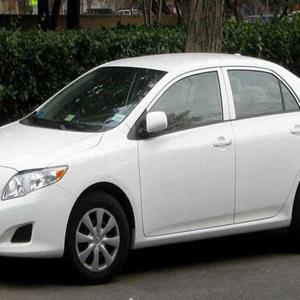
Vehicle selection (terrain-specific, armored or soft-skin)
Route planning based on current conditions
Driver expertise and local familiarity
Communication systems for real-time updates
Afghan Logistics & Tours Pvt. Ltd integrates these elements into a cohesive system, ensuring that travel is not only possible but also efficient and predictable within an unpredictable environment.
This logistics-first approach is what transforms travel from a theoretical idea into a practical reality.

Customization Over Standardization
There is no “one-size-fits-all” itinerary in Afghanistan. Every journey is influenced by:
Purpose of travel (media, research, tourism, business)
Duration and flexibility
Seasonal factors
Regional accessibility
As a result, itineraries are typically customized to align with both client objectives and ground realities.
For example:
A journalist may require rapid access to multiple locations with tight timelines
A researcher may prioritize extended stays and local engagement
A cultural traveler may focus on heritage sites with guided interpretation
This level of customization ensures that the tours remain relevant, efficient, and aligned with individual goals.
The Importance of Local Expertise
Afghanistan is a country where local knowledge is not just valuable—it is essential.
Professional guides, translators, and coordinators provide:
Cultural interpretation
Language support (Dari, Pashto, English)
Community engagement facilitation
Real-time decision-making insights
These roles go beyond guiding; they act as bridges between visitors and the local environment.
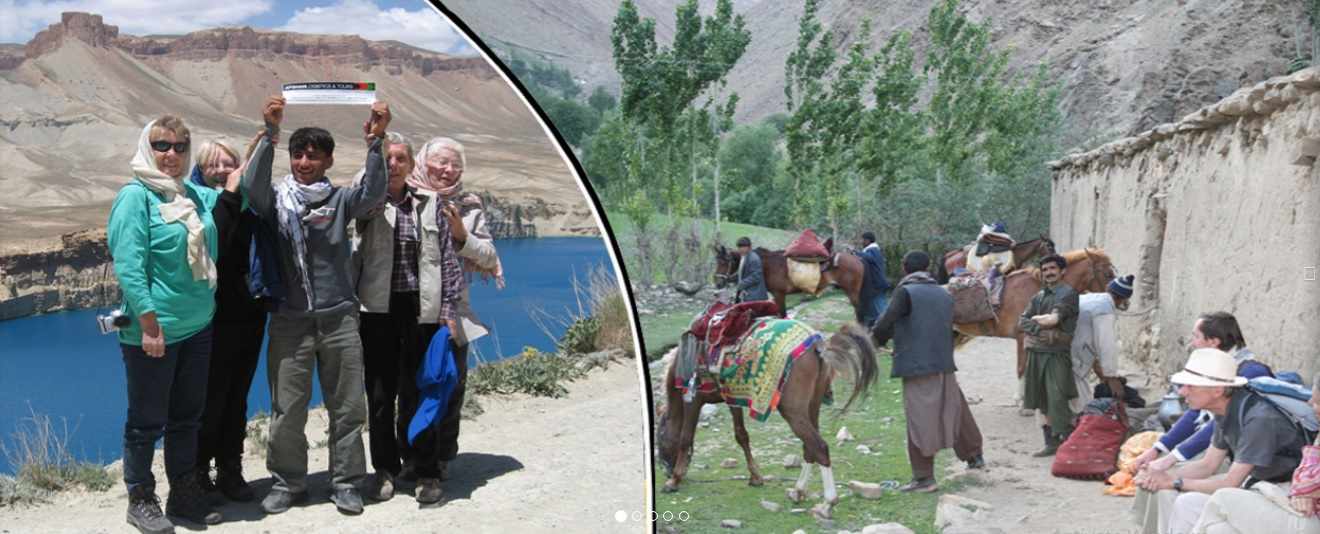
ALT emphasizes multilingual, professionally trained teams who understand both international expectations and local realities. This dual perspective is critical for ensuring smooth interactions and minimizing misunderstandings.

Secure Mobility as a Core Requirement
Transportation in Afghanistan is not a background element—it is a central pillar of travel.
Depending on the nature of the journey, mobility solutions may include:
Soft-skin vehicles for standard movement
B6 armored vehicles for high-risk or sensitive operations
Convoy coordination for extended travel
Airport transfers with controlled logistics
The availability of well-maintained vehicles, trained drivers, and optional security coordination ensures that movement remains controlled and reliable.
For many clients—especially diplomatic missions, NGOs, and media teams—secure mobility is the foundation upon which all travel decisions are made.
Technology and Coordination
Modern travel in Afghanistan is increasingly supported by technology, particularly in areas such as:
Vehicle tracking
Communication systems
Digital booking and scheduling
Automated invoicing and payment systems
ALT has contributed to this evolution by integrating mobile-based solutions that allow users to pre-book transport, monitor movement, and manage payments efficiently.
In a context where traditional infrastructure may be limited, these digital tools provide an added layer of transparency and control.
Responsible and Ethical Travel
Afghanistan’s cultural and social fabric requires a thoughtful approach to travel. Visitors are encouraged to engage responsibly by:
Respecting local customs and dress codes
Seeking permission before photography
Minimizing environmental impact
Supporting local communities where possible
Responsible travel is not just an ethical choice—it is a practical one. It fosters trust, improves access, and enhances the overall experience.
Organizations facilitating Tours of Afghanistan often incorporate these principles into their planning, ensuring that travel contributes positively rather than disruptively.
Who Travels to Afghanistan Today?
The profile of travelers to Afghanistan is distinct and purpose-driven. It includes:
Journalists and media professionals
NGO and UN personnel
Diplomatic delegations
Researchers and academics
Cultural explorers and photographers
International tour operators seeking local partners
These individuals and groups are not looking for leisure in the traditional sense. They are seeking access, understanding, and engagement within a structured and secure framework.
Balancing Risk and Opportunity
Travel in Afghanistan inherently involves risk, but it is not defined by it. With proper planning, coordination, and support, many of these risks can be managed effectively.
Key strategies include:
Pre-trip planning and advisory
Flexible scheduling
On-ground coordination
Contingency planning
ALT operates with the understanding that conditions can change rapidly. Its operational model allows for adjustments in routes, accommodation, and timing to maintain safety and continuity.
This adaptability is one of the most critical factors in successful travel within the country.

The Future of Travel in Afghanistan
Afghanistan’s travel landscape is evolving. While challenges remain, there is a growing recognition of the country’s cultural, historical, and geographical significance.
Future developments are likely to focus on:
Improved infrastructure
Enhanced digital coordination
Increased collaboration with international partners
Expansion of responsible tourism initiatives
As these changes unfold, the demand for structured, reliable travel solutions will continue to grow.
This reinforces the importance of organizations that combine tourism with logistics, security awareness, and operational expertise.
A Different Perspective on Exploration
To understand Afghanistan is to move beyond assumptions and engage with its realities. Travel here is not about convenience—it is about intention, preparation, and respect.
For those willing to approach it thoughtfully, the country offers:
Deep cultural insights
Unique landscapes
Meaningful human connections
A perspective rarely found elsewhere
Tours of Afghanistan are not defined by luxury or leisure, but by depth, authenticity, and purpose.
Conclusion
Afghanistan stands apart as a destination that demands more from both travelers and service providers. It requires a model of travel that integrates logistics, security, cultural understanding, and adaptability into a single, cohesive system.
Afghan Logistics & Tours Pvt. Ltd represents this model in practice—operating at the intersection of travel, logistics, and operational support to enable safe and structured access across the country.
For professionals, organizations, and serious travelers, the value lies not just in reaching Afghanistan, but in navigating it effectively. And in that process, Afghan Tours become less about movement and more about meaningful, informed engagement with one of the world’s most complex and compelling environments.

Write a comment ...